FOER Takes Legal Battle to
Ninth Circuit Court of Appeals
By Amy Bricker,
Shute, Mihaly and Wineberg, LLP
Ninth Circuit Challenge to FERC Decision
to Amend PVP License
(reprinted from Eel River Reporter-Winter 2004)
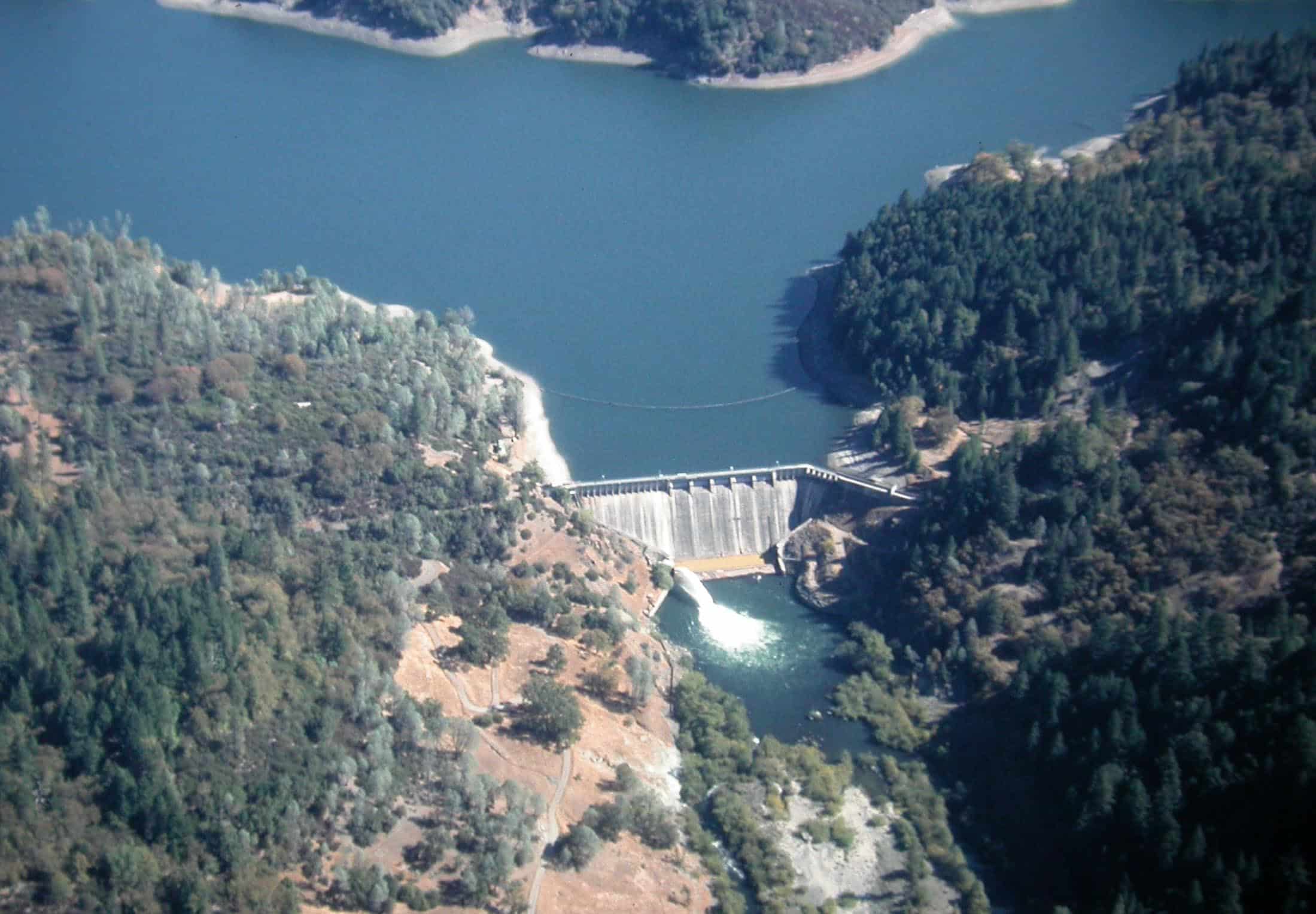
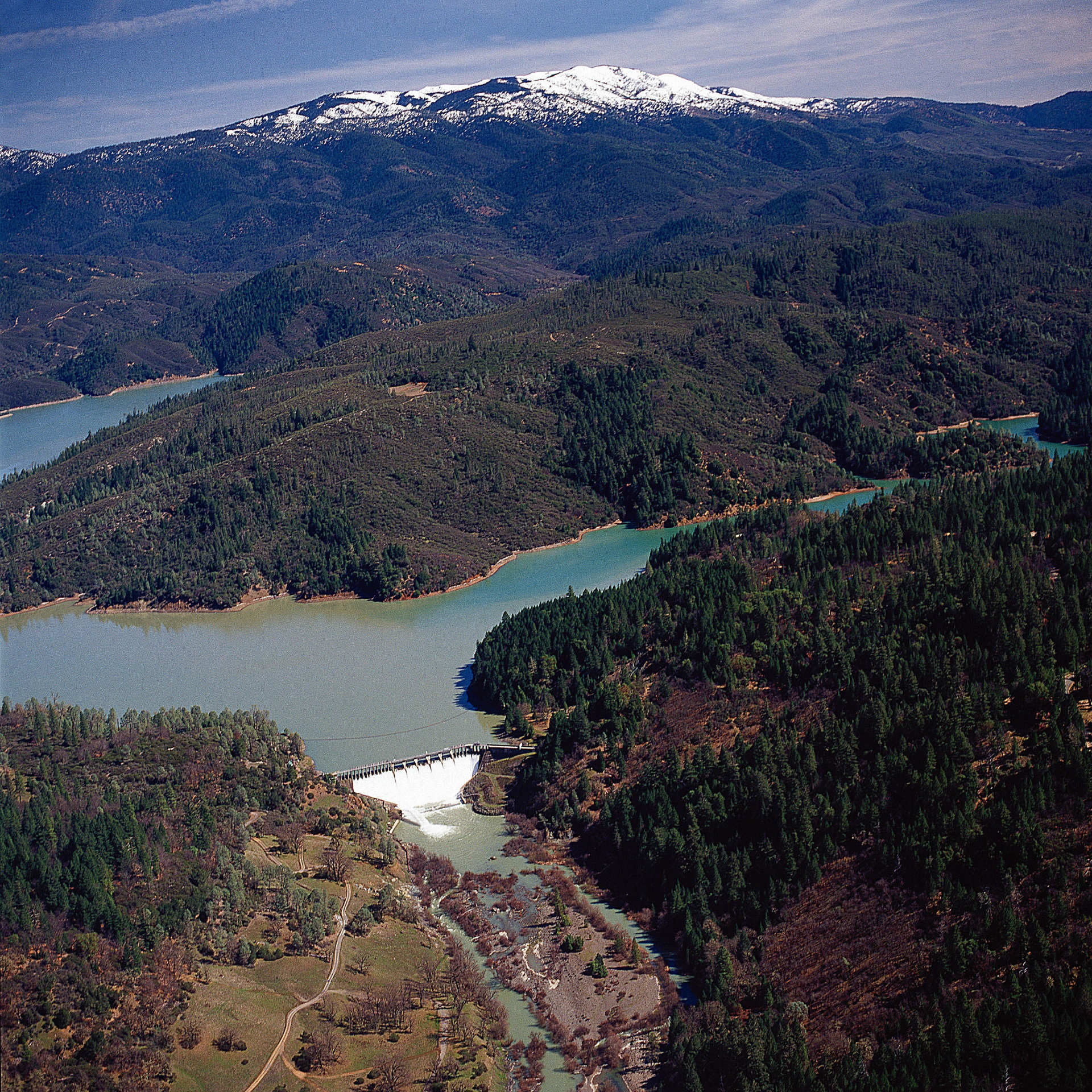
A critical element of FOER’s legal strategy is the challenge to the Federal Energy Regulatory Commission’s (“FERC’s”) decision to amend Pacific Gas & Electric Company’s (“PGE’s”) license for the Potter Valley Project (“PVP” or “Project”), a hydroelectric power project operated on the Eel River. The amended license will allow PG&E to continue operating the PVP, which generates a mere 9.4 megawatts of power in peak season, until the year 2022 at the expense of the Eel River fisheries and the health of the Eel River ecosystem at large. Through the operation of the PVP, which diverts water from the Eel River to the Russian River and prevents fish migration along hundreds of miles of the Eel River, Eel River anadromous .fisheries have declined to all-time lows. This rapid decline has resulted in the listing of Coho and Chinook salmon and Steelhead trout as threatened species under the Endangered Species Act (“ESA”).
FOER contested FERC’s decision to grant the amendment throughout the entire administrative process on the grounds that the re-licensing violated the ESA, the National Environmental Protection Act (“NEPA”), and the Federal Power Act (“FPA”), among other statutes. When FERC failed to reconsider its decision, FOER .led a lawsuit against the agency in the United States Court of Appeal for the Ninth Circuit, the court with jurisdiction over this matter. This challenge is currently pending in the Ninth Circuit, with briefing scheduled to be completed by April of 2005.
FERC issued PG&E’s original 50-year license for the PVP on October 4, 1983. This license required PG&E to conduct, after 10 years of operation of the PVP, a fisheries monitoring study to more adequately determine the effects of the PVP on Eel River fisheries.
The results of the study were to be used to make recommendations to FERC for appropriately amending the PVP license to protect the Eel River fisheries. The final report and recommendations from the study were issued on March 31, 1998.
FERC issued its Order amending the license nearly six years later on January 28, 2004. The Order was based on a Biological Opinion and Reasonable and Prudent Alternative issued by NOAA Fisheries in consultation with FERC as required by Section 7 of the ESA. FERC reauthorized PG&E to continue operating the PVP with only a few changes. The only notable change requires PG&E (starting June 9, 2004) to reduce the diversions of water from the Eel River to the Russian River by, on average, about 15 percent. The amended license does not require that mechanisms for fish passage be installed or that the Project operations be curtailed in any other way to protect the Eel River.
FOER petitioned the agency for a rehearing of its decision to grant the amended license. In the petition for rehearing FOER argued that the ESA requires both FERC and NOAA Fisheries to consider the “best scientific and commercial data available” in formulating the Reasonable and Prudent Alternative, RPA. Here, the RPA is deficient because it did not consider scientific and commercial data demonstrating that the decommissioning of dams or the installation of fish ladders or fish-ways to facilitate fish passage are the best options for protecting declining fisheries due to dam operations. The group also argued that NEPA requires FERC to analyze such alternatives in the Environmental Impact Statement (“EIS”) for the Project. Finally, FOER argued that FERC failed to protect the Eel River resources as set forth in the Federal Power Act, which requires, among other things, that FERC comply with all applicable state laws for the protection of river resources, such as those set forth in the California Fish and Game Code. FERC denied FOER’s request for rehearing on June 2, 2004.
In response to FERC’s June 2, 2004 Order on Rehearing, FOER again petitioned the agency to reconsider its decision to amend PG&E’s license for the PVP. The group presented conclusions from a recent Biological Assessment for the Russian River that high flows in the Russian River (a result of diversions from the Eel River) actually damage the rearing habitat for salmonoid species in the Russian River. FOER also presented new information that the Sonoma County Water Agency was planning on reducing flows in the Russian River, which would require less diversions of water from the Eel River. Additionally, FOER argued that the agency failed to adequately analyze modifications to the RPA in the Environmental Impact Statement for the Project. FERC again ignored FOER’s requests and denied the second petition for rehearing.
As a result, FOER filed its Petition for Review of FERC’s Order Amending License and Order on Rehearing with the Ninth Circuit on August 4, 2004 (Case No. 04-73862) based on violations of NEPA, the ESA, and the FPA, among other statutes. The Court consolidated FOER’s Petition with those .led by the California Sports fishing Protection Alliance, et al. and by Mendocino County Inland Water and Power Commission, et al. In addition, the Court granted the motions of the County of Sonoma and the Round Valley Indian Tribes to intervene on behalf of the petitioners, and the motion of PG&E to intervene on behalf of FERC.
The Court has ordered FERC to prepare the administrative record for the case by November 22, 2004. Since the .ling of the Petition of Review in the Ninth Circuit, FOER has .led a motion to reopen the administrative record for the case with FERC in order to add new information that has come to light. The motion requested that the administrative record for these proceedings include the recent aerial photographs taken by FOER Executive Director Nadananda that dramatically illustrate the extremely dry and polluted conditions of the Eel River. The submitted photographs demonstrate that, notwithstanding the decreased diversions from the Eel imposed by FERC’s Order Amending License, due to the operations of the PVP, flows in the Eel River are currently inadequate to maintain and restore .sh populations, in violation of state and federal law. The motion also requested that the administrative record include Judge Karlton’s recent decision in Natural Resources Defense Council v. Patterson (2004 WL 1946303 (E.D. Cal.), which holds the Bureau of Reclamation liable under California Fish and Game Code section 5937 for failing to allow sufficient water to pass over Friant Dam to keep the fish below the dam in good condition. FERC has not yet ruled on this motion.
FOER’s opening brief is due to the Ninth Circuit on January 4, 2005. FERC’s opposition brief is then due to the Court on March 1, 2005. FOER’s optional reply brief is due April 12, 2005 (or 42 days after FERC serves FOER with their opposition brief). Sonoma and the Tribes’ briefs will be due on February 1, 2005, and PG&E’s brief will be due on March 29, 2005.
If FOER prevails in the lawsuit, the result will be that the Court will vacate FERC’s decision and remand it to the agency for further action consistent with the Court’s findings of legal deficiencies. Specifically, if FOER prevails on its NEPA claims, the Court’s order would require FERC to appropriately revise its Environmental Impact Statement for the re-licensing, which could result in the consideration of additional alternatives to the Project, such as alternatives that involve fish ways or fish ladders or possibly an alternative that considers decommissioning of the PVP. If FOER prevails on its ESA claims, the result could involve an additional consultation with NOAA Fisheries that may result in a revised Biological Opinion that includes requirements for fish ways or fish ladders or other measures to protect fish in the Eel River. Similarly, if FOER prevails on its FPA claims, FERC may need to reinitiate consultation with relevant state and federal agencies to consider additional alternatives for protecting Eel River fisheries.