
Friends of the Eel River
Working for the recovery of our Wild & Scenic Eel River, its fisheries and communities


The Eel River
The Eel River, one of California’s major waterways, is known for its scenic beauty, biodiversity, and recreational opportunities. It faces environmental challenges, yet efforts by communities and organizations, such as Friends of the Eel River, aim to restore and protect its vibrant ecosystem for future generations.

Current News
Friends of the Eel River’s pivotal role in covering and addressing news items that impact the Eel River, including organizing cleanup events, advocating for public access, and engaging in environmental regulation efforts, is crucial for the preservation and restoration of the river’s ecosystem and community engagement. Their work ensures the health and accessibility of the river for future generations.

Core Programs
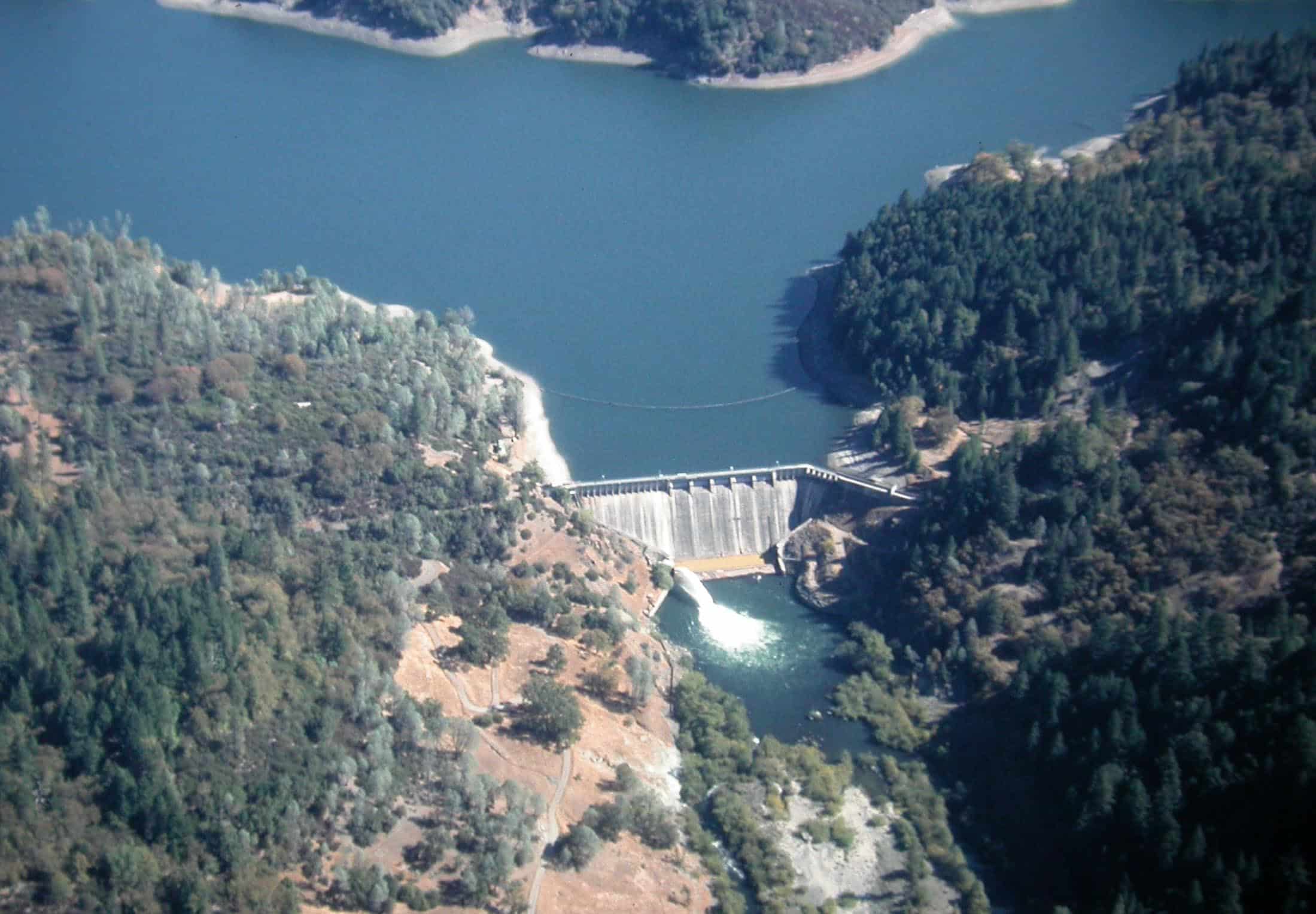
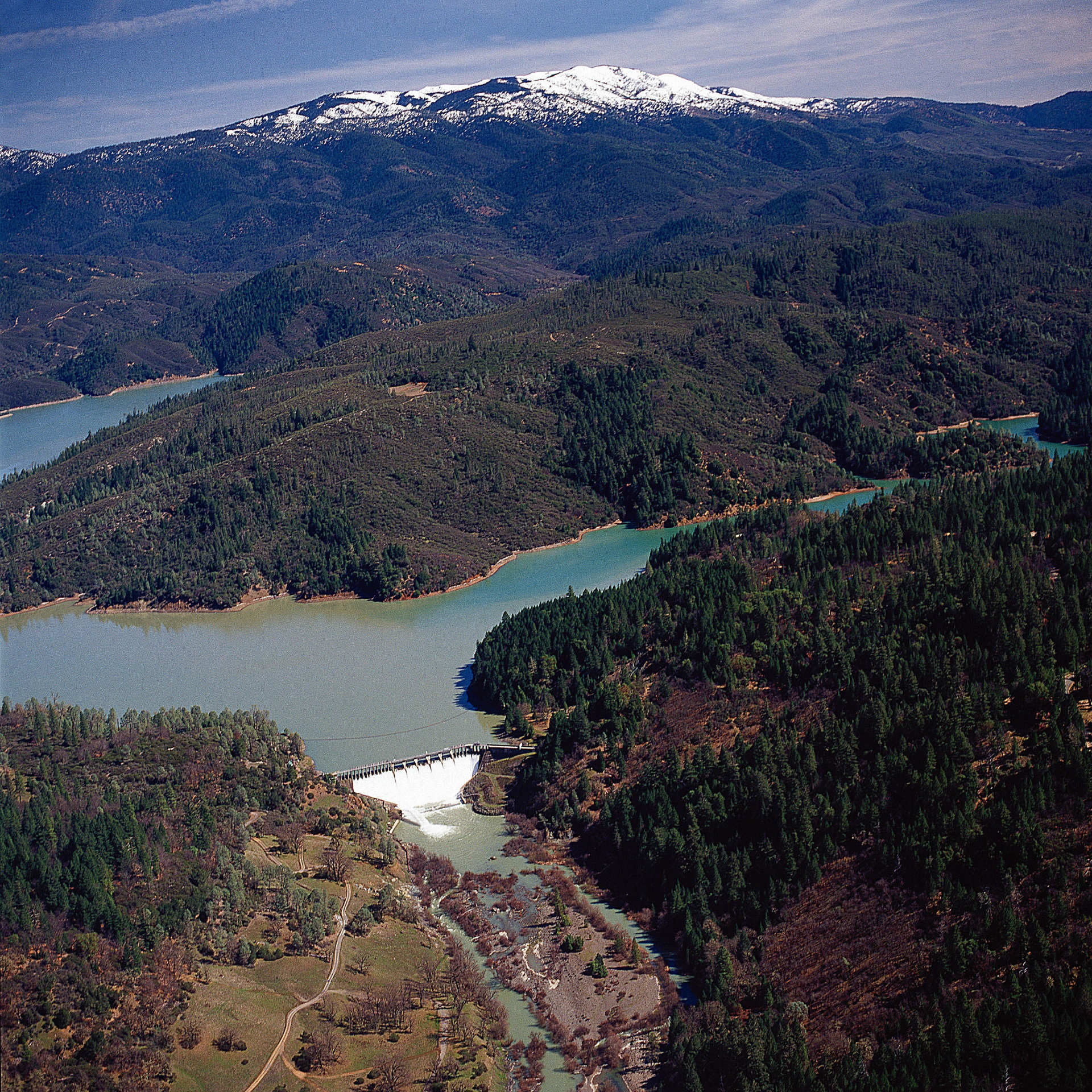
Friends of the Eel River’s commitment to decommissioning PG&E’s Potter Valley Project, advocating for the Great Redwood Trail, and ensuring sustainable land use, including effective cannabis regulation, is vital for restoring salmon habitat across 250 miles and safeguarding the Eel River ecosystem.

The Wild & Scenic Eel River
The Eel River watershed drains 3,684 square miles of California’s rugged North Coast eco-region. This magnificent river system includes not only the south, middle, north, and main stem forks of the Eel but also the Van Duzen River. The Eel River has both State (1972) and Federal (1981) Wild and Scenic River designations, which protect more than 350 miles of its waterways from additional damming and ensure that environmental concerns rank at least equally with development and industry.
How you can support us
There are many ways you can support our efforts toward the recovery of the Wild & Scenic Eel River, its fisheries, and communities!

Contact Us
Membership forms and other printed material may be mailed to:
Friends of the Eel River
PO Box 4945
Arcata, CA 95518
Email: foer(at)eelriver.org
Phone: (707) 798-6345
Please complete the form below and someone will respond to you shortly.