HOME

Dear Friends

New Executive Director of FOER, Dave Hope

David Keller Honored as Environmentalis of the Year

Growing Up on the Eel River

What the PG&E PVP Complex Has Done to the Eel

How to Heal the Eel

Waiting for the Tooth Fairy?

UPDATES:

Bay-Delta Water Ruling Ditches CEQA for Bogus "Drought Emergency"

The Triple Federal Threat to Our Coast

Basins of Relations: Protecting and Restoring Our Watersheds

Turning Water into Wine

Comments on NCRA's DEIR

Toxic Cleanup Must Come Before Freight

The Six Things a River Might Say


Directory of Businesses Supporting Friends of the Eel

How to Heal the Eel

By Dave Hope,
FOERs Executive Director

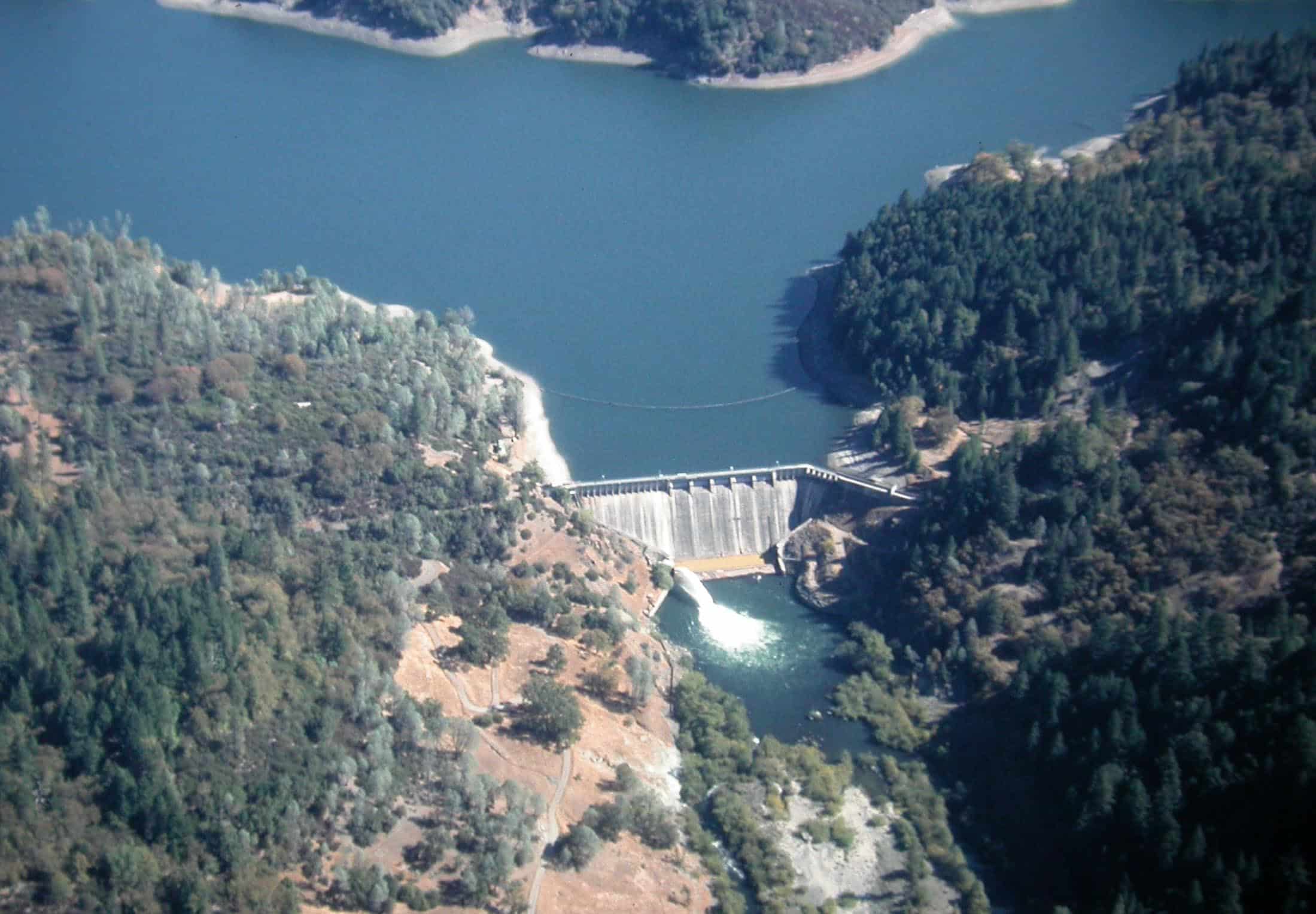
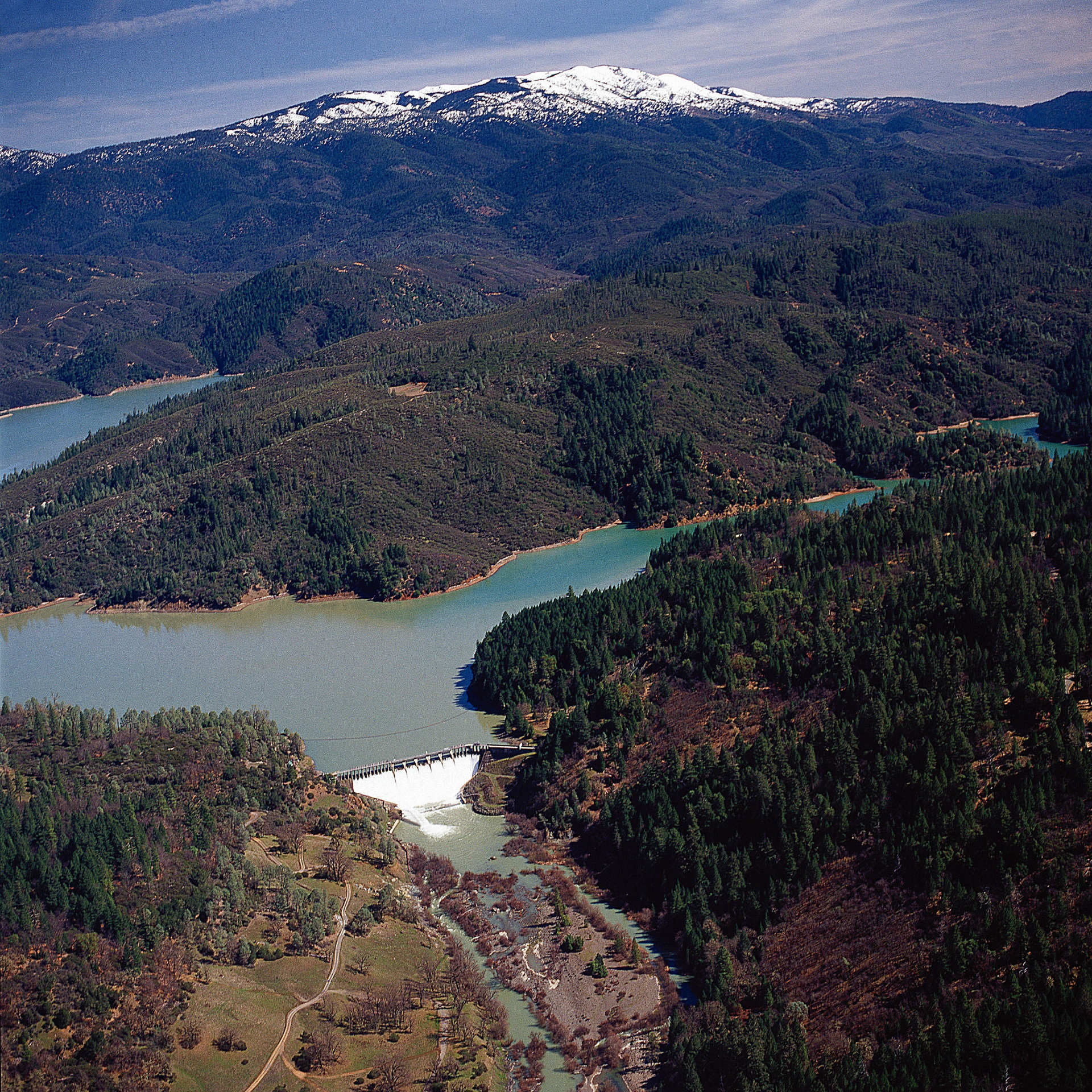
The most common question that I am asked is What is the condition of the river? and unfortunately the answer is that the river is in very poor condition on most fronts. The good news is with that knowledge we can address the problems on a scale that makes a difference. With a 303d Impairment listing for Sediment and Temperature already assigned to the Eel River, we here at Friends of the Eel River look for projects that can move the river in a BIG way. Others can and should work on small projects like planting stream banks, which is a very positive hands-on project for landowners and volunteers. But to heal a river as big as the Eel with a century of abuse we need to think BIG. That is why we must focus on healing the biggest sources of HEAT and DIRT, and why we look to dam removal to gain hundreds of miles of rearing and spawning habitat and billions of gallons of OUR water back to provide deep pools and refugia along the mainstem Eel.

Continued earth movement along the Eel River

The first consideration is: will we work on roads, which is often thought to be the biggest source of sediment? No, we wont, but we encourage others to do these worthy projects. FOER goals are designed to remove and stabilize the most significant sediment sources to the Eel River basin: landslides. Future efforts will focus on debris flows that are actively delivering millions of cubic yards of sediment to the river. Recent focus on road repairs has looked to remove chronic sources of turbidity and future mass wasting from crossing failures. The drawback is that roads take constant maintenance to keep the road surface from delivering sediment, and many crossing failures wont happen for years, while the rehabilitation or removal of these crossings has contributed thousands of yards of soil to the stream through readjustment or poor deconstruction techniques.

FOER hopes to tackle the largest unmitigated source of sediment reduction, those dreaded landslidesdebris flows, to be specific, because FOER is after the biggest sources of permanently solvable pollution. Each site often delivers hundreds of thousands of cubic yards of soil and turbid waters into the stream unabated. To boil it down, landslide rehabilitation is revegetation and drainage control or check structures applied to a well-chosen site. Some slides are deep features that are not stable enough to work on, but the vast majority are new, bare, eroding landscapes that will bleed into the stream for decades if not arrested.

Dirt roads turn to powder by summers end, becoming a silt flow in winter rains

Few have tackled this problem due to lack of technical expertise and experience, but I have completed numerous landslide mitigation efforts with great success and feel confident that FOER can be very successful in this area. Additionally, it is important to find significant work for the Eel that is not being presently addressed by others, to get at critical issues and not duplicate or steal work from other restoration workers. Past experience has shown that these sites can be mitigated, and the results are quite dramatic and long-lasting and pretty much maintenance-free. It is truly amazing to see the transformation: once these sources are turned off, stream channel habitats are immediately brought back to life, and spawning gravels and pools reappear.

We still see the need to work on roads and stream banks. I refer to them as the thousands of points of heat and dirt, which will take thousands of hands to fix. Luckily that is perfect for those who want to have a hands-on experience, and physically it will take those numbers to complete that restoration. To this end we will enter into a program of education and training (FOER outreach) for those many watershed residents and volunteers needed to rehabilitate bad roads and bare stream banks. FOER will need to have many arms to make an impact on the river. One arm will help to organize and train residents to be effective restorationists and advocates for the river to their neighbors, the legislature, and local government. Our legal arm will stay active when required to maintain and restore our water rights and make our river whole by removing the Cape Horn and Scott Dams. Now that the Klamath River is seeing the beginning stages of dam removal upstream, FOER sees a great opportunity to show how removing the dams on the Eel not only makes sense but is the best option for restoring the fisheries, water quality, and future of the Eel River.