HOME

Dear Friends

New Executive Director of FOER, Dave Hope

David Keller Honored as Environmentalis of the Year

Growing Up on the Eel River

What the PG&E PVP Complex Has Done to the Eel

How to Heal the Eel

Waiting for the Tooth Fairy?

UPDATES:

Bay-Delta Water Ruling Ditches CEQA for Bogus "Drought Emergency"

The Triple Federal Threat to Our Coast

Basins of Relations: Protecting and Restoring Our Watersheds

Turning Water into Wine

Comments on NCRA's DEIR

Toxic Cleanup Must Come Before Freight

The Six Things a River Might Say


Directory of Businesses Supporting Friends of the Eel

What the PG&E PVP Complex Has Done to the Eel

By Dave Hope,
FOER Executive Director

FOER has stated and the science is clear that full restoration of the Eel River cannot be accomplished with the continued diversion of Eel River water. This diversion has seriously impacted Chinook salmon and steelhead resources in the Upper Eel River.

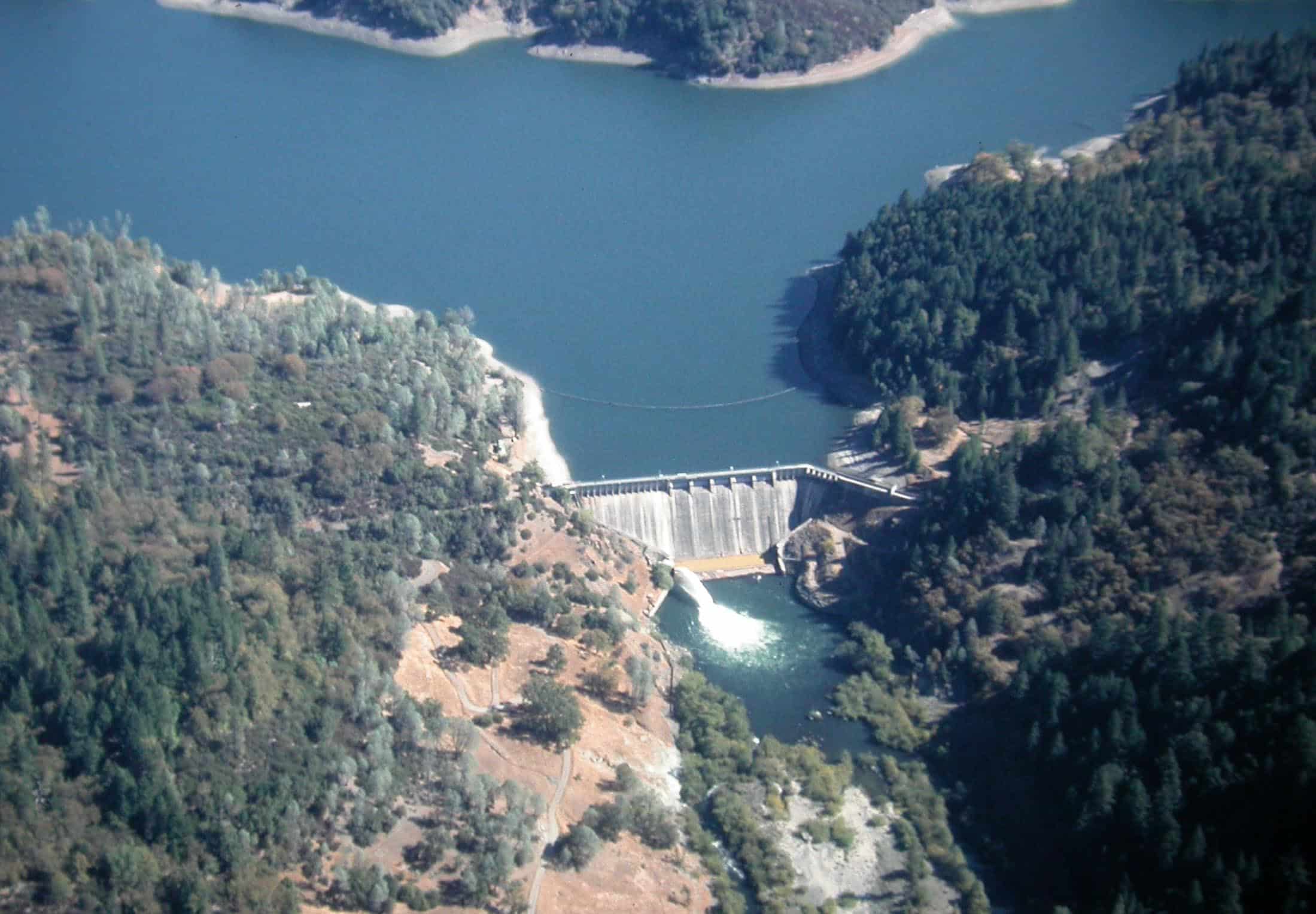
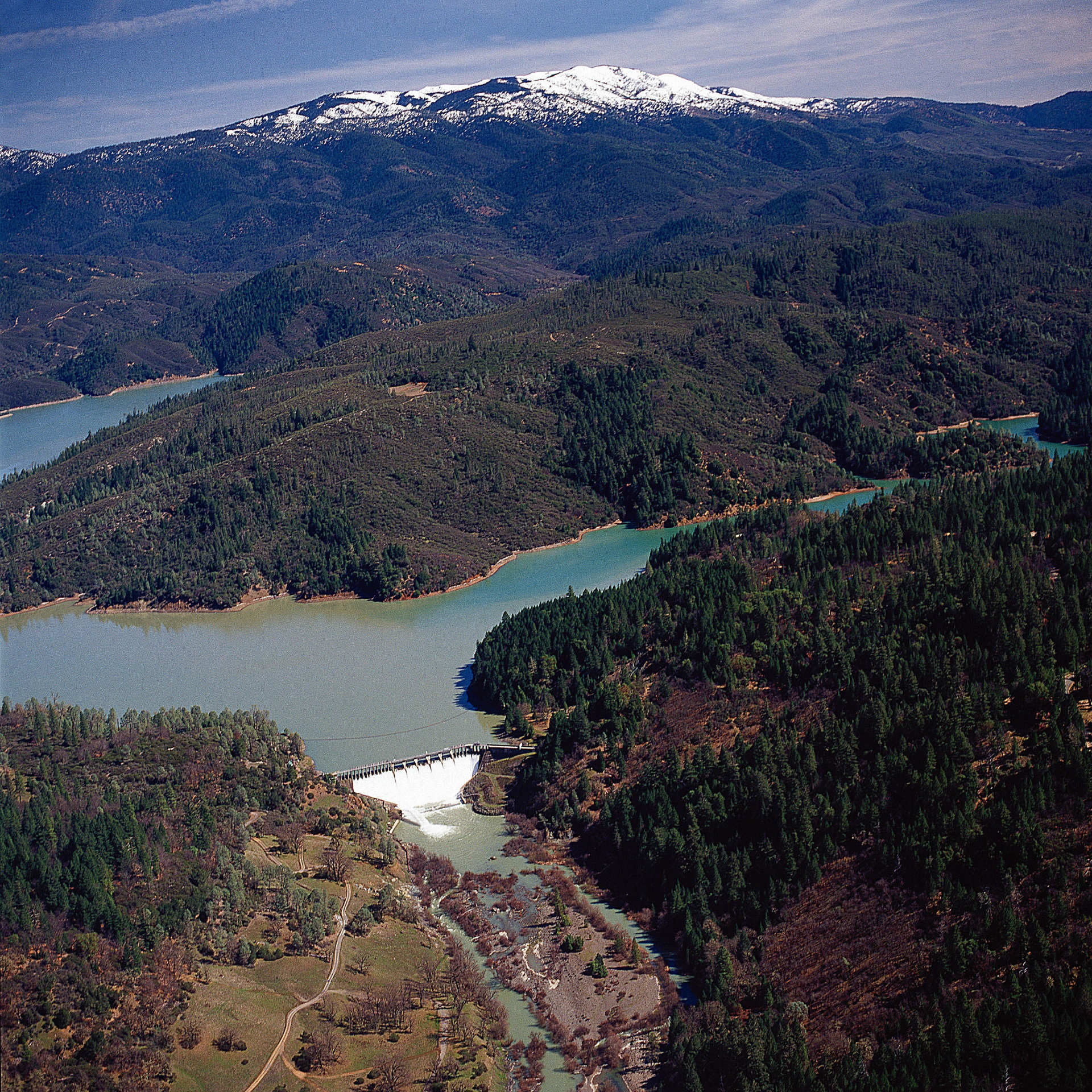
There was never a thought given to fisheries when Scott Dam/Lake Pillsbury and the PG&E Potter Valley Project (PVP) were installed in the headwaters of the Eel River. Through much of its 80-plus years of existence this project has provided little or no water to the Eel River in the dry season, diverting it instead to the Russian River watershed. This slowly killed an adult Chinook salmon run on the Eel of more than 100,000 fish; and during this time period an estimated run of 3000-4000 adult salmon and steelhead in the area upstream of Cape Horn Dam was also lost.

This decline represents approximately 15% of the estimated runs in the 1960s, but more importantly this now represents more than 50% of our present Chinook runs on the Eel River.

In 1970 the Department of Fish and Game stated that the present operating procedures at Cape Horn Dam would virtually eliminated Chinook salmon runs and put steelhead runs on the decline. Their scientists warned that unless new flow policies were instituted, the decline would continue, resulting in an almost complete loss of the runs in the Eel River upstream of Tomki Creek (near Willits). Well, they were right. Nobody acted and the fishery collapsed as predicted. In addition, Tomki Creeks fish run has collapsed, along with major sections of the river downstream.

How did this happen? Simply stated, because it is simple, the PVP takes the water that the Chinook need to make a spawning run right when they need it most (in this case, in the fall) and sent it to another river, disturbing its natural flow regime as well. Early information on Chinook salmon showed that they were first observed in the Upper Eel River in late October and early November. Flows released into the Eel from the Potter Valley diversion have historically been low, and the meager 2 cfs provided by the PVP valves during this migration run for Chinook is clearly not sufficient to allow upstream migration. The PVP took away the ability of these fish to migrate beyond the confluence with the Outlet Creek and the Eel River, which doomed them.

It is interesting that the two good years of Chinook runs recorded at the Van Arsdale ladder (1946-47=919 and 1947-48=994) occurred during a time of intense early fall rains in the Eel River basin that brought the Chinook home for the first time in thirteen years (fish not counted from 1933 to 1945). This shows that we were severely impacting fish clear back in the 1930s and before. It is also interesting to note that Russian River Chinook have the same run timing. Why would a natural run of Russian River Chinook come back in late October when the natural Russian River mouth historically did not open until December? Much can be said for a fish smelling its natal stream, and humans have punched the Eel River over and into the Russian River. Hmmm. It has been said that at times there is more Eel River water in the Russian River than in the Eel. This may be another reason for the decline; this is a question that begs for an answer.

Another tragedy of the PVP facility is that escaping water pulses from Cape Horn Dam in the fall (when flows from tributaries between the two dams exceed the diversion capacity) have caused Chinook to move upstream past the confluence of Tomki Creek, and then the pulses are quickly recaptured by the facility, causing a rapid drop in water levels. When this occurs, salmon become stranded or their redds are exposed. This is proof that Chinook need only a little bit of extra water to stimulate migration; and its also evidence of yet another artificial death for the fish, as well as proof of a direct take.

The fishery resources of the Upper Eel River are now marginal, and continued artificially low water creates barriers to adult salmon migration, prevents successful spawning, dewaters redds, and adversely affect the timing of juvenile salmons downstream migration. These salmon and steelhead have been listed under the Endangered Species Act (both federal and state) for years. Despite scientific proof that the Eel River needs more flow and warnings that there would be a complete loss of the fisheries without action, the politics changed the policies so that nothing of substance was done, causing a collapse of the fisheries. Looks like a clear case of a direct and ongoing Take of a listed species.